
Your source for workforce tracking insights, AI updates, and operational strategy that help you stay ahead and drive better results.
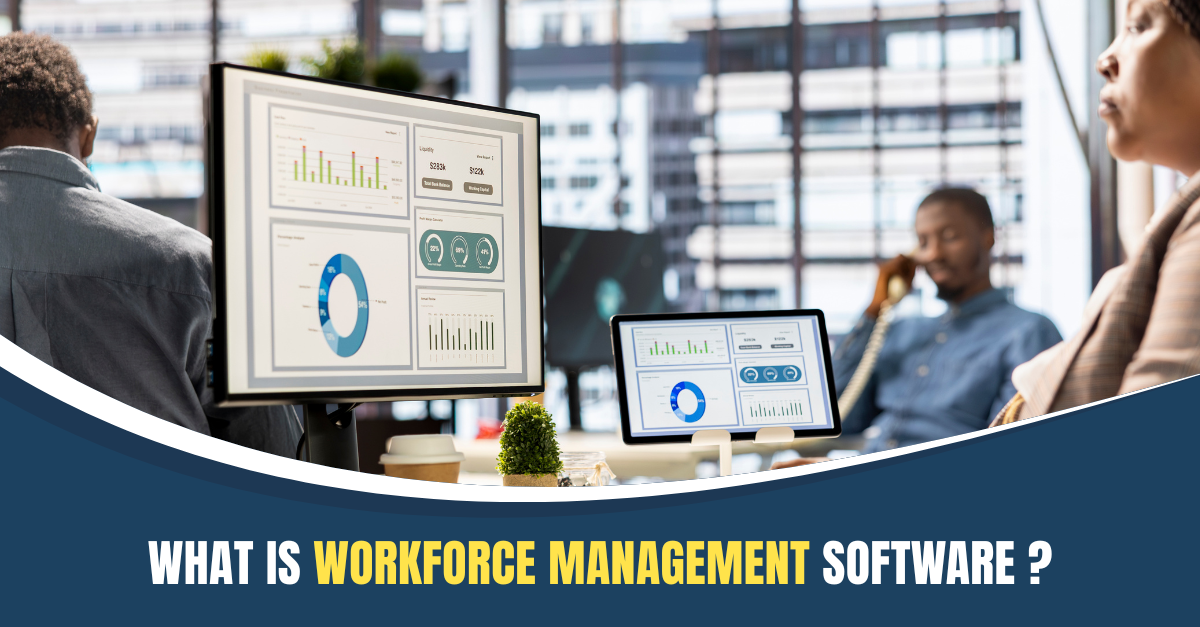
Managing employees effectively becomes increasingly complex as organizations grow. Multiple teams, branches, responsibilities, working hours, and performance expectations can make manual workforce management difficult to maintain. Workforce management software provides a centralized way to organize these processes while giving managers better visibility into how work is being performed.
Workforce management (WFM) is the process of planning, managing, and optimizing an organization's workforce. Traditionally, it includes activities such as time and attendance tracking, scheduling, leave management, workload planning, and workforce analytics. Modern workforce management systems increasingly combine these functions with real-time reporting and AI-supported insights.
Instead of relying on spreadsheets, paper records, or disconnected applications, a workforce management system brings relevant workforce information into a centralized digital environment.
The capabilities of workforce management solutions vary depending on the organization and industry. Common functions include employee attendance and time tracking, leave management, scheduling, reporting, workforce analytics, and productivity monitoring. More advanced platforms can also use historical data and AI to identify patterns and support workforce planning.
For businesses with multiple teams or locations, centralized workforce data can make it easier for managers to understand attendance, workload, and performance without depending entirely on manual reporting.
One of the main benefits of workforce management tools is operational visibility. Managers can access current workforce information and identify issues that may otherwise remain hidden.
Automation can also reduce repetitive administrative work. Digital attendance records, leave workflows, and reports can minimize manual data entry and make information easier to access. WFM systems can also support more accurate workforce planning by helping organizations understand staffing patterns and workload requirements.
For growing organizations, another important benefit is scalability. A centralized workforce management solution can provide consistent processes across departments and locations, rather than requiring separate spreadsheets or systems for every team.
The Indian market has a wide range of workforce management software, from basic attendance applications to comprehensive platforms covering scheduling, leave, analytics, and workforce planning. Current Indian WFM offerings increasingly emphasize centralized management, mobile accessibility, attendance tracking, leave management, and analytics.
The right solution depends on factors such as company size, organizational structure, workforce type, locations, and the level of productivity visibility required.
Khronous takes workforce management beyond basic attendance tracking. Employees can punch in and out, apply for leave, log daily activities, and work against predefined tasks. Managers can compare completed activities with assigned expectations and generate productivity scores based on actual work.
Khronous also connects employees, supervisors, managers, and directors through a structured hierarchy, supporting productivity visibility across teams and branches. Its productivity insights, department leaderboards, announcements, attendance, and leave features bring key workforce processes into one platform.
For businesses looking for a workforce management solution that combines everyday workforce operations with productivity visibility and structured management, Khronous provides a practical, centralized approach.
