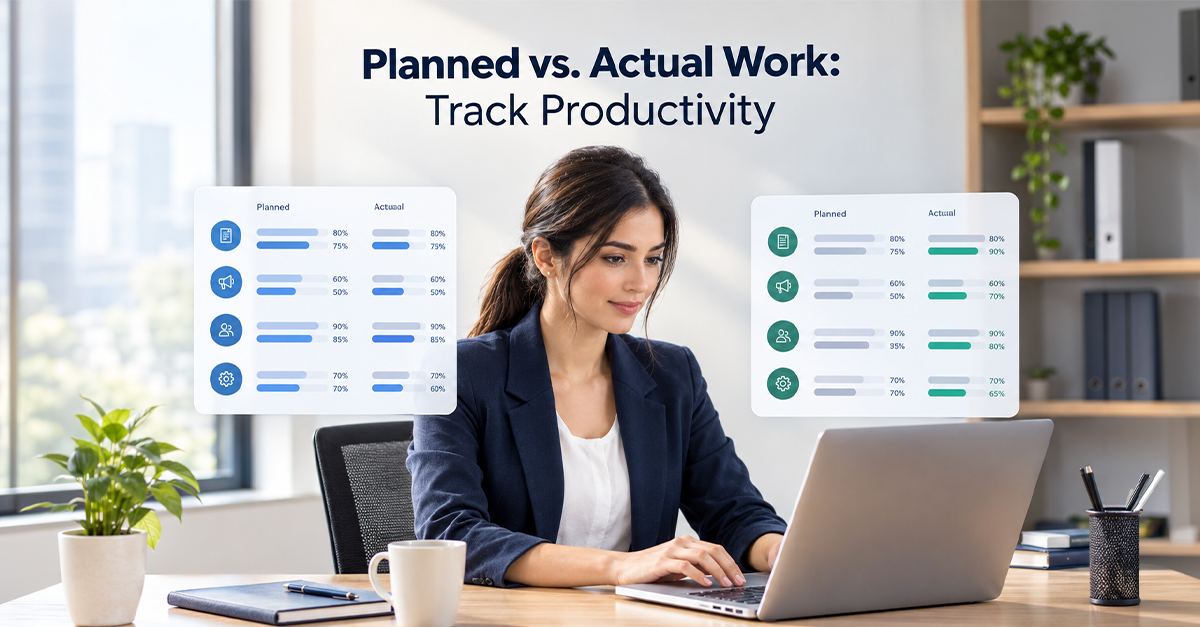
In today’s competitive business environment, completing tasks efficiently is essential for organizational success. However, assigning tasks and setting deadlines are only the first steps. Businesses also need to understand whether employees are completing planned activities, how much time their work requires, and what factors affect productivity. Comparing planned tasks with actual work helps managers identify performance gaps, improve task management, and make better workforce decisions. With effective employee productivity tracking, organizations can move beyond measuring attendance and focus on meaningful work outcomes.
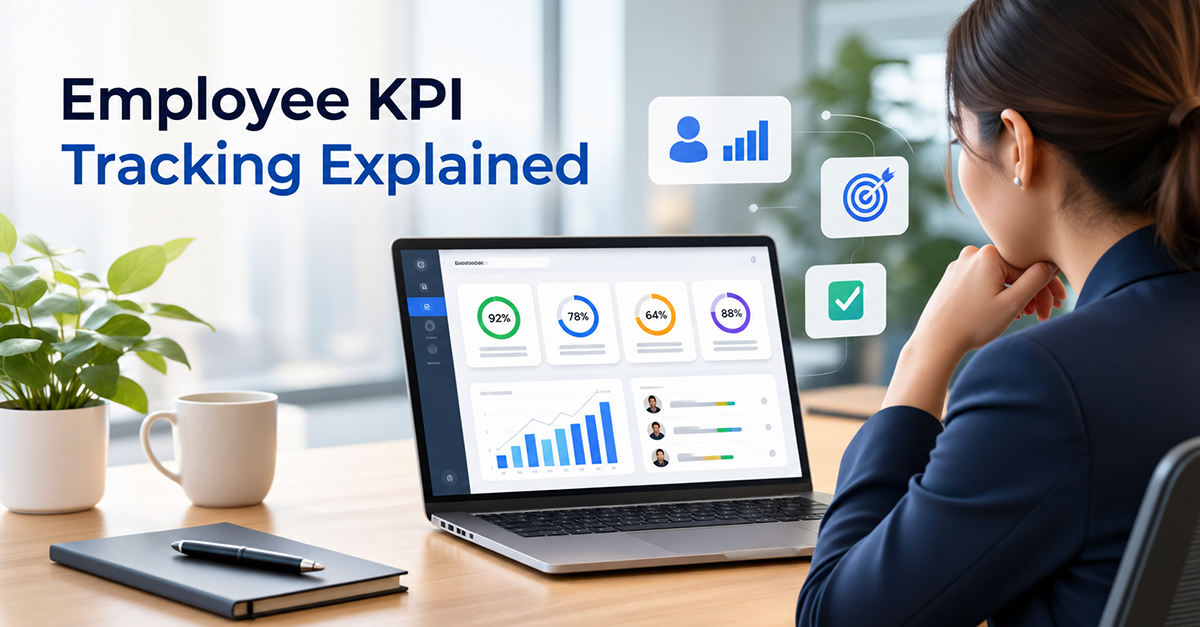
Setting goals is essential for helping employees understand what they are expected to achieve. However, simply assigning goals does not guarantee progress. Businesses need a structured way to monitor performance, identify gaps, and understand whether individual efforts are contributing to broader organizational objectives. This is where employee KPI tracking and goal tracking software can play an important role.
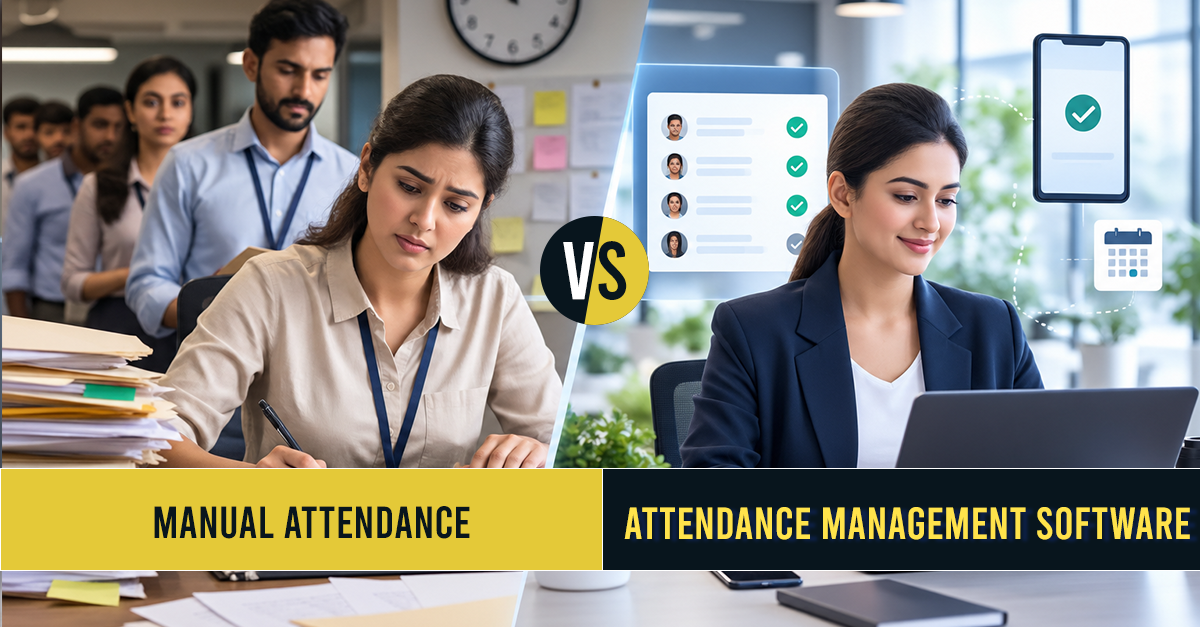
Attendance tracking is a fundamental part of workforce management. Businesses need reliable records of when employees start and finish work, but the way this information is collected can significantly affect administrative efficiency, accuracy, and workforce visibility. The two common approaches are a manual attendance system and attendance management software.
Measuring employee productivity is essential for organizations that want to improve performance, allocate resources effectively, and achieve business goals. However, productivity tracking can easily become counterproductive when employees feel they are being constantly watched. The better approach is to measure meaningful work, provide clear expectations, and use data to support improvement rather than control.
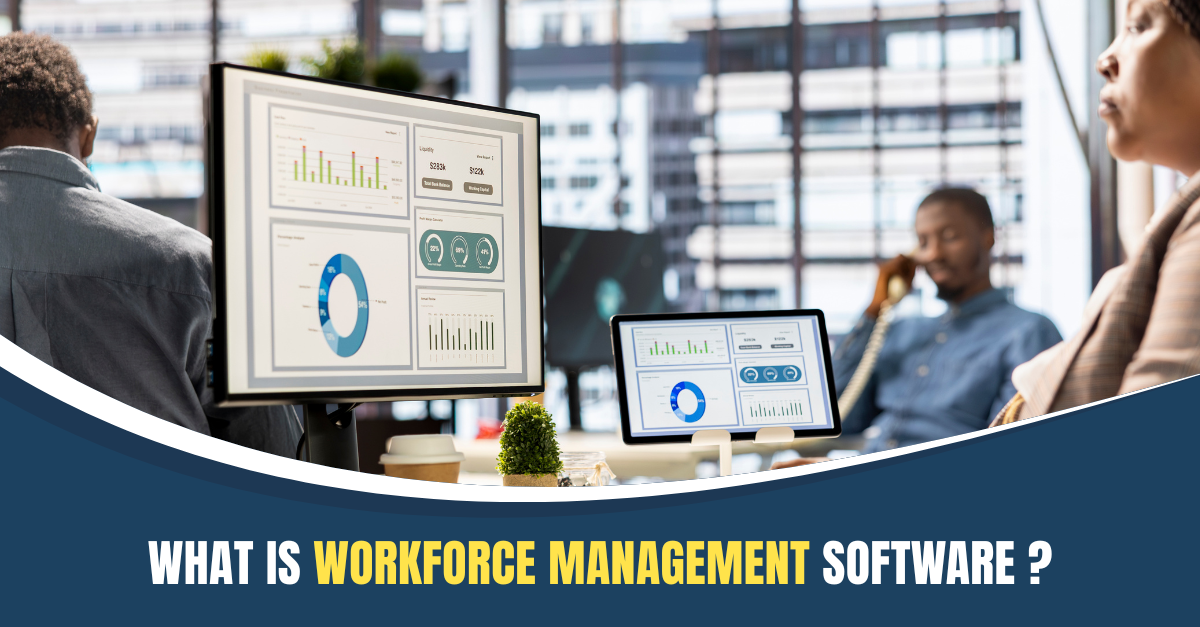
Managing employees effectively becomes increasingly complex as organizations grow. Multiple teams, branches, responsibilities, working hours, and performance expectations can make manual workforce management difficult to maintain. Workforce management software provides a centralized way to organize these processes while giving managers better visibility into how work is being performed.
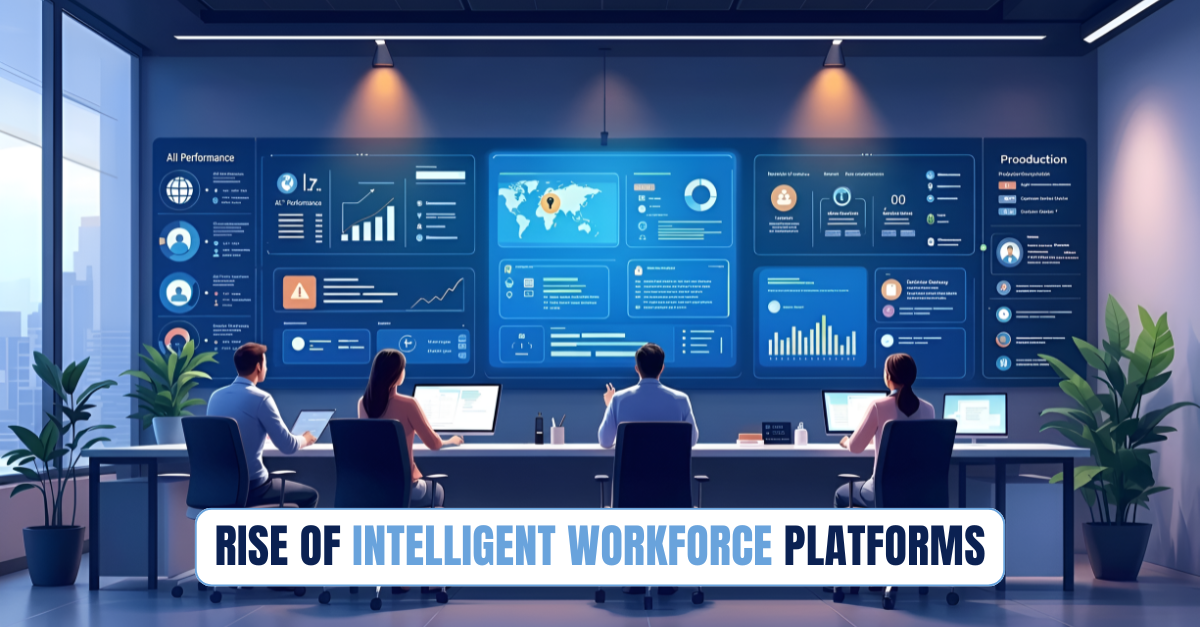
Workforce management is moving beyond basic attendance records, spreadsheets, and manual reporting. As organizations become more distributed, data-driven, and performance-focused, businesses are increasingly looking for intelligent workforce platforms that can turn everyday workforce data into useful business insights. Traditional workforce systems primarily answer questions such as Who is present? How many hours were worked? Those questions remain important, but modern managers also need to understand how work is progressing, where productivity gaps exist, and how resources should be allocated. This shift is being accelerated by artificial intelligence. AI can analyze large volumes of workforce information, recognize patterns, automate repetitive processes, and support decision-making. IBM notes that AI is increasingly being used in workplaces to streamline operations, automate repetitive work, analyze data, and support decisions.
Every organization strives to improve productivity, increase efficiency, and achieve sustainable growth. Businesses invest in technology, employee training, and process improvements to enhance performance. Yet, despite these efforts, many companies continue to experience missed deadlines, inconsistent results, and declining efficiency. Often, the real problem isn't a lack of effort-it's a lack of workforce visibility.
Artificial Intelligence (AI) is transforming the way businesses operate, and its impact on workforce management is becoming increasingly significant. Managers today face the challenge of overseeing larger teams, meeting tighter deadlines, and making faster decisions while maintaining productivity. Relying solely on manual processes and instinct is no longer enough. AI is helping managers become more efficient by providing accurate insights, automating repetitive tasks, and enabling smarter decision-making.
Every organization wants a motivated workforce, but there is an ongoing debate about what drives employees to perform at their best. Is it recognition for their contributions, or is it healthy competition among team members? The answer isn't as straightforward as choosing one over the other. Research and workplace experience suggest that both recognition and competition play important roles, but their effectiveness depends on how they are implemented.
In today's business environment, managers are expected to make faster decisions, improve team performance, and achieve better results with limited resources. While experience and intuition remain valuable, they are no longer enough to manage modern workplaces effectively. Instead, data has become one of the most valuable assets a manager can rely on, enabling informed decisions that drive productivity and long-term business success.
Workforce management has changed significantly over the last decade. What once focused primarily on attendance tracking and payroll calculations has now evolved into a broader, data-driven approach known as workforce intelligence. Modern organizations no longer need systems that simply record employee presence they require platforms that provide actionable insights, improve productivity, and support strategic decision-making.
In today’s competitive business environment, making informed decisions requires more than intuition it depends on accurate, real-time data. One of the most critical yet often overlooked factors in decision-making is workforce visibility. Without clear insights into how employees work, organizations struggle to optimize productivity, allocate resources effectively, and plan for growth.
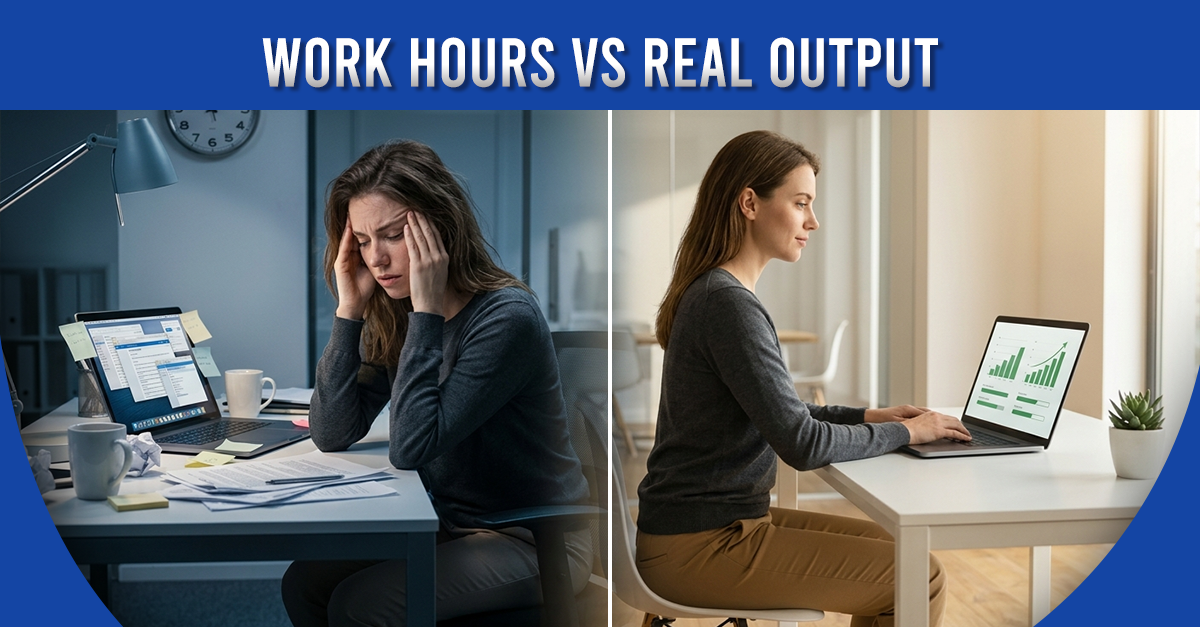
For decades, organizations have relied on hours worked as the primary measure of productivity. The logic seemed simple: more hours should result in more output. However, in today’s knowledge-driven and performance oriented work environment, this assumption no longer holds true. Measuring time alone fails to capture the real value employees bring to an organization.
In today’s fast-evolving work environment, traditional workforce tracking methods such as manual timesheets, basic punch systems, or activity-based monitoring - are no longer sufficient. While these tools were effective in structured, repetitive work environments, modern organizations operate in a far more dynamic, collaborative, and data-driven landscape. One of the biggest limitations of traditional tracking is its over-reliance on activity instead of actual outcomes. Many systems measure productivity based on hours worked, clicks, or presence rather than meaningful output. This often leads to what experts call “productivity theater,” where employees focus on appearing busy instead of delivering real value.