
Your source for workforce tracking insights, AI updates, and operational strategy that help you stay ahead and drive better results.
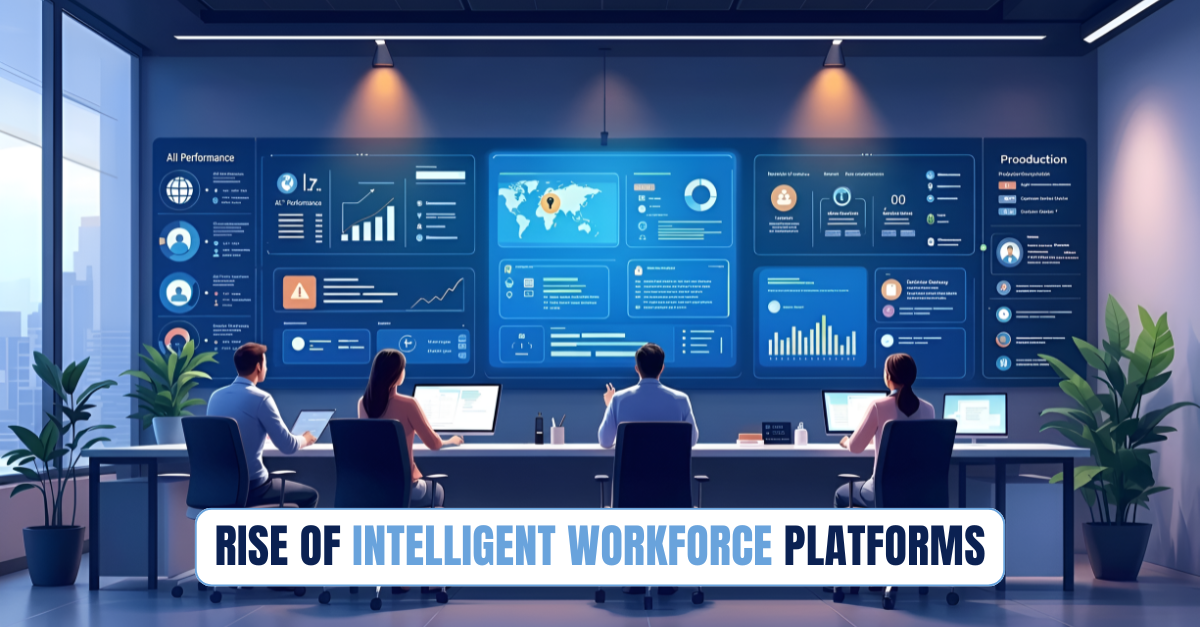
Workforce management is moving beyond basic attendance records, spreadsheets, and manual reporting. As organizations become more distributed, data-driven, and performance-focused, businesses are increasingly looking for intelligent workforce platforms that can turn everyday workforce data into useful business insights.
Traditional workforce systems primarily answer questions such as Who is present? How many hours were worked? Those questions remain important, but modern managers also need to understand how work is progressing, where productivity gaps exist, and how resources should be allocated.
This shift is being accelerated by artificial intelligence. AI can analyze large volumes of workforce information, recognize patterns, automate repetitive processes, and support decision-making. IBM notes that AI is increasingly being used in workplaces to streamline operations, automate repetitive work, analyze data, and support decisions.
The biggest change is the movement from recording information to understanding it.
A traditional attendance system might show that an employee worked eight hours. An intelligent workforce platform can combine attendance, task activity, performance information, and historical patterns to provide a broader picture of what happened during those hours.
This distinction matters because working longer does not automatically mean producing better results. Managers need context around workforce data to identify bottlenecks, workload imbalances, and performance trends.
Modern workforce management applications are increasingly focused on areas such as scheduling, time tracking, employee analytics, productivity, and compliance.
AI adds another layer to workforce management by helping managers interpret information at scale. Instead of manually reviewing large amounts of data, managers can use intelligent analytics to identify patterns and areas requiring attention.
AI can also support workforce planning. Historical information can help organizations understand recurring workload patterns and anticipate future requirements. IBM's research highlights the growing use of AI for workforce analysis and automation, with organizations increasingly looking toward AI-enabled workforce processes.
However, intelligent workforce management should not mean replacing managerial judgment. AI is most valuable when it provides managers with better information while people remain responsible for context, communication, and final decisions.
As workforce platforms become more intelligent, managers can spend less time collecting and organizing information and more time coaching employees, solving operational problems, and improving performance.
This is particularly valuable for organizations with multiple teams, departments, or branches. Centralized workforce information can give leadership a consistent view of operations while allowing individual managers to focus on their teams.
Khronous brings these ideas into a structured workforce management platform. Employees can punch in and out, apply for leave, record activities, and work against predefined tasks. Managers can then compare completed activities with assigned expectations and evaluate productivity based on actual work.
Khronous also connects employees, supervisors, managers, and directors through a structured hierarchy, while providing productivity insights, department leaderboards, announcements, and centralized workforce visibility.
The result is a shift from simply asking “Who worked?” to understanding “What was achieved, how did the team perform, and where can we improve?”
As workforce management continues to evolve, intelligent platforms will increasingly become an important part of how organizations manage productivity, allocate resources, and make informed decisions
